
The End of Faith in Physics
Voices from ChernobylThis flow traces the rise of faith in nuclear science and the collapse of confidence that technical mastery alone could make the atom safe.
increasing Bearing strength in each event
 decreasing
Bearing strength in each eventdecreasingThe Promise of the Atom
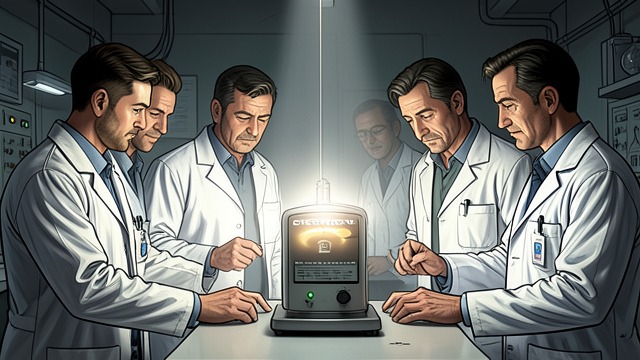
The Promise of the Atom
Science as Progress
Some scientists recall a time when nuclear physics seemed to promise energy, prestige, and a path toward space. The atom belonged to a future imagined as clean, powerful, and modern.
A Belief Shared Widely
The peaceful atom was not simply technical confidence; it was a cultural faith. People trusted that specialists and the state could manage forces beyond everyday experience.
The Reactor Fails
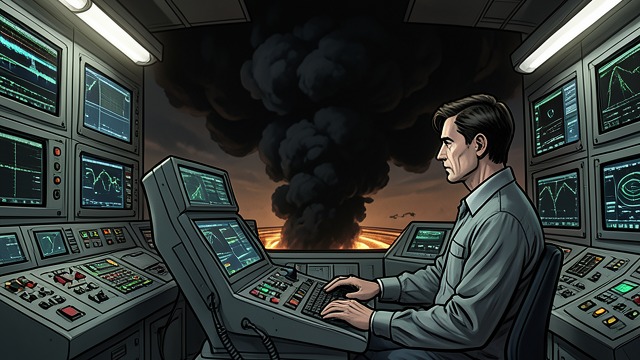
The Reactor Fails
A Technological Catastrophe
The accident at the Chernobyl Nuclear Power Station revealed that advanced technology could produce a disaster whose consequences escaped its operators. The event unsettled confidence in scientific control.
Expertise Is Not Omniscience
Scientists and officials themselves lacked a complete understanding of the unfolding emergency. Technical specialization could not guarantee either safety or effective communication.
The Scientist's Silence

The Scientist's Silence
Professionals Believe and Doubt
Some experts measured danger yet continued to obey political instructions. Their faith in the institutions of science and government did not disappear at the same moment as their evidence changed.
A Costly Rupture
The eventual collapse of that faith brought confusion and distress. The scientist's testimony shows that technical knowledge can coexist with institutional obedience and personal failure.
From Physics to Writing
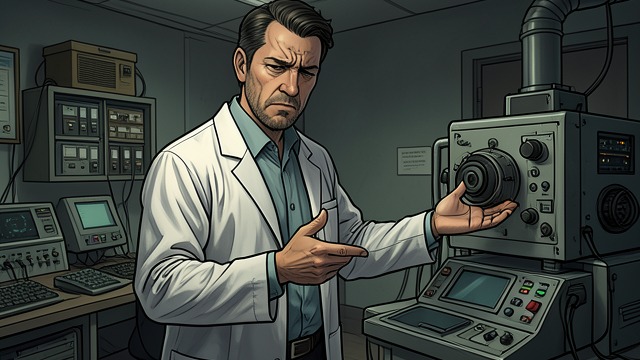
From Physics to Writing
A New Question
A former nuclear specialist turns toward writing after the event, asking how science and human life should relate. The catastrophe changes his sense of what a technical career can explain.
Another Kind of Inquiry
Literature and testimony become ways to think about responsibility, belief, and the limits of expertise. They do not replace physics but ask questions that measurements alone cannot answer.
A World Beyond Mastery
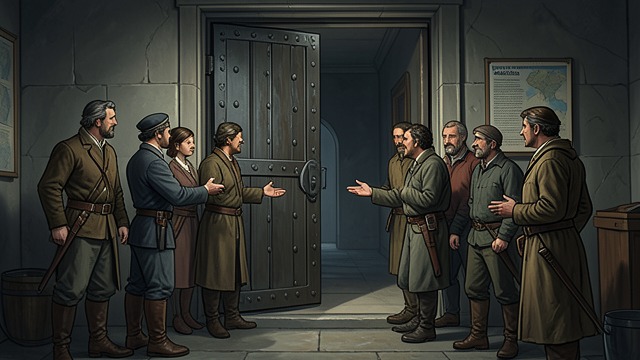
A World Beyond Mastery
Technical Progress Reconsidered
The survivors' accounts unsettle the assumption that knowledge naturally produces safety. The catastrophe emerged within systems of design, staffing, secrecy, and use, not from abstract science alone.
Responsibility After Faith
The book ends without rejecting knowledge, but it demands humility about what humans can control. The challenge is to bring technical expertise into a more honest moral and political world.
The Soviet period before 1986
April 26, 1986
The first days after the accident
Years after 1986
The interviews' present
